Published: June 15, 2026
Here is why
Composite wood cladding has become one of the most specified exterior finishes in South Africa in 2026 because it solves four expensive problems at once. It lowers the cost of keeping a building cool in summer and warm in winter, it strips out the painting and sealing that timber demands, it lets you modernise a tired building without demolition and it delivers the warm, natural look of wood with none of the upkeep. Best Deck composite wood cladding is engineered for exactly these conditions, giving homes, estates and commercial buildings across the country a maintenance-free exterior that is guaranteed for 10 or 15 years depending on the range and, in practice, holds its looks and its value for far longer.
South Africa is building smarter, not bigger
South Africa is building differently in 2026. Not louder or larger, but decidedly smarter. The national conversation has moved from grand statements to better decisions: Use less energy, spend less on upkeep and stop demolishing buildings that still have decades of life left in them. Composite wood cladding sits right at the centre of that shift, because it solves the problems that South African homeowners, estate trustees and commercial property managers wrestle with every day. And it happens to look superb. It is the kind of exterior finish that makes people slow down and look twice.
The energy element: A wall that breathes
A well-designed building works with the climate, not against it. In South Africa energy costs keep climbing and the summer sun is relentless, so designing with the environment is no longer a luxury. It is the mark of a properly engineered exterior. Whether you are a homeowner in Pretoria or run a warehouse in Gauteng, keeping a building cool in summer and warm in winter carries a real cost. Traditionally we push insulation into the roof and hope for the best. But what about the walls?
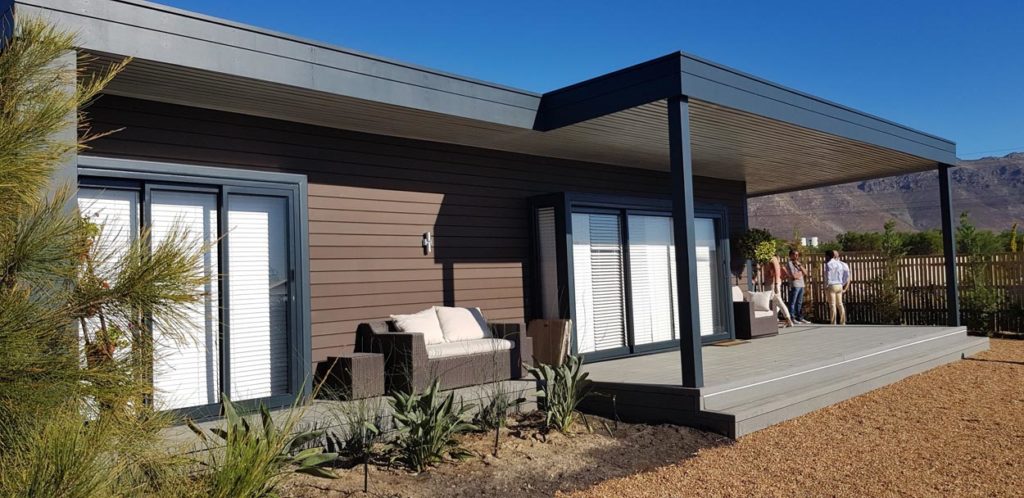
Here is where composite cladding does something subtle but powerful. Installed with a small gap behind it, what specialists call a ventilated rainscreen, it creates a buffer zone. Air moves through that cavity, carrying heat away in summer and slowing cold transfer in winter. There are no moving parts and no electricity involved. It is simply smart physics, the same principle building scientists have measured for decades. For a household already juggling load-shedding, every degree the building holds on its own is a degree the inverter or air conditioner does not have to chase.
Architectural trends for 2026 lean heavily on passive solutions like this. Design choices that work for you without an ongoing electricity bill, all year round. Composite cladding is not a solar panel or a battery, but it belongs to the same waste-less philosophy and it pairs beautifully with one.
Less to maintain, less to replace
Premium materials earn their keep over time. The real measure of a finish is not what you pay on day one. It is what you never have to spend again. Real timber cladding looks beautiful for a while. Then the South African climate gets to work. The sun bakes it, coastal humidity swells it and, before long, you are sanding, sealing, staining or replacing planks every other weekend.
Composite cladding deletes that chore list. It does not rot, warp, fade, splinter or turn into an insect buffet. It needs no annual painting and no special oils. A quick hose-down now and then keeps it looking the same years, even decades, later. Best Deck cladding planks are supplied in generous 5.8 metre lengths too, which means far fewer joins across a facade and a noticeably cleaner finish.
For a homeowner that means weekends handed back. For a commercial property manager or a body corporate it means a recurring maintenance line that simply disappears from the budget, along with the chemicals that used to wash into the soil. This is what people mean when they talk about the benefits of composite wood. Lower lifetime cost, less waste and far less hassle.
Transform a tired building without demolishing it
One of the defining trends of 2026 is adaptive reuse. Keeping existing structures alive instead of bulldozing them. It is gentler on the planet and far kinder to the budget. So what do you do when a face-brick block or a faded plaster wall simply looks tired? A worn exterior quietly drags down the value of the whole property.
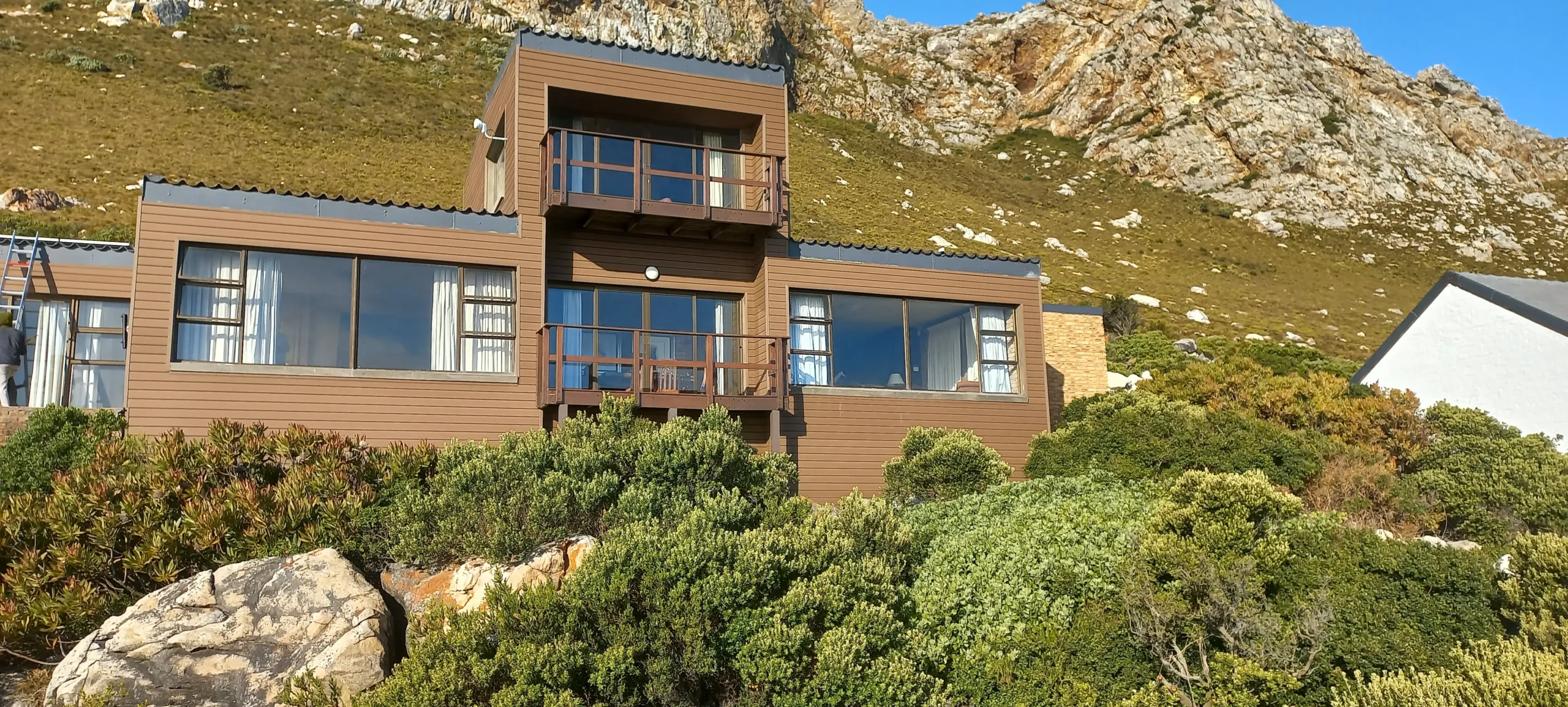
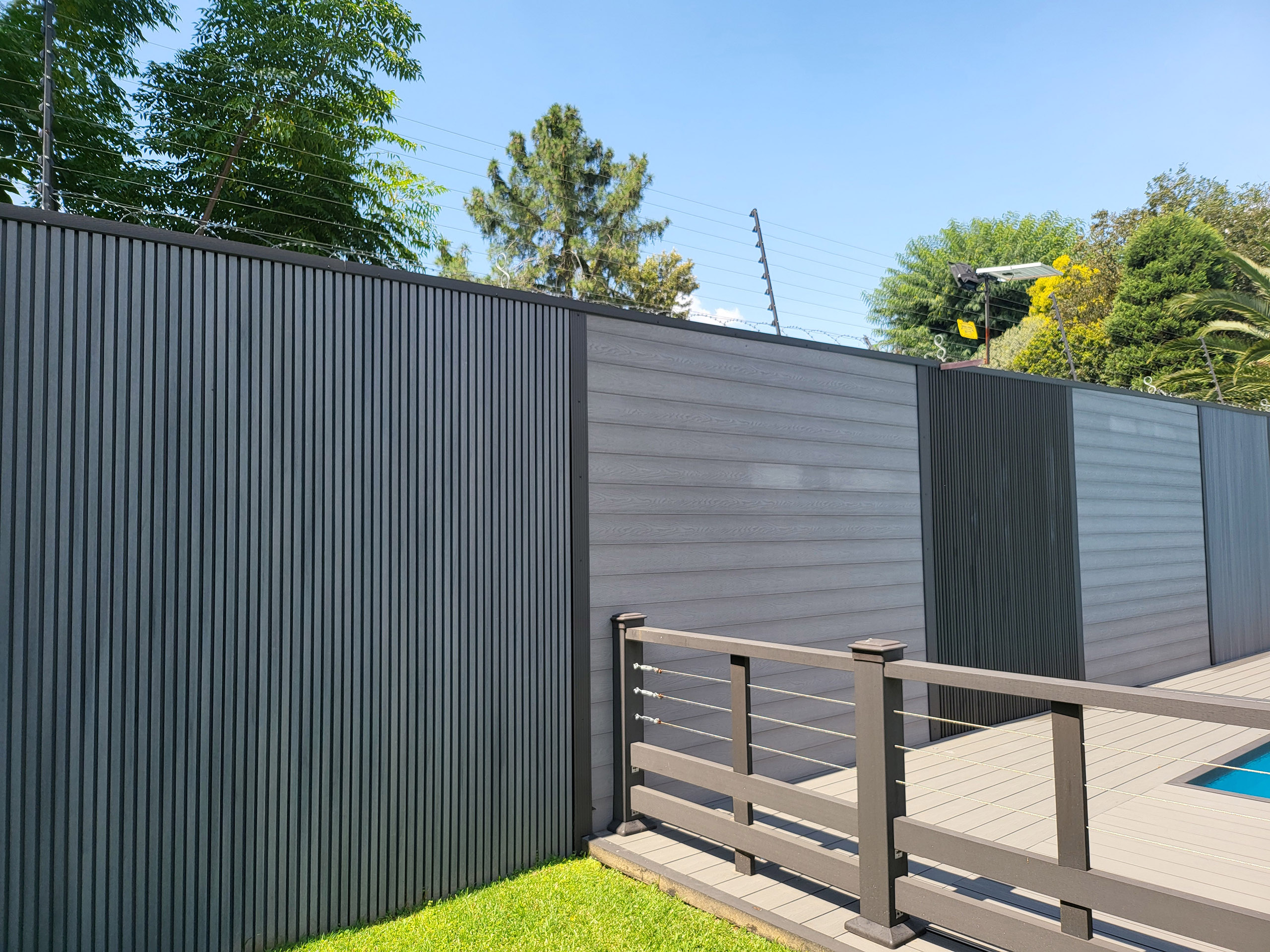
Demolition and a major renovation are not the only answers. Composite cladding can be fixed straight over the existing wall on a simple batten framework, with no rubble and no structural drama. The old wall stays exactly where it is and the exterior suddenly reads as modern, clean and intentional. It is a facelift without the surgery. The approach works beautifully on older townhouse complexes in Sandton, small commercial blocks, established family homes and garden boundary walls. The same logic applies to fluted panelling, whose deep vertical ribs turn a flat, dated wall into a genuine architectural feature.
Privacy that still lets the breeze through
South African summers demand airflow. Block a balcony or patio with a solid screen and yes, you gain privacy, but you lose every bit of cooling breeze with it. On a Highveld afternoon that climbs past 30 degrees Celsius, that is a poor trade.
Composite cladding solves it elegantly when you fit it as a vertical or horizontal screen with deliberate gaps. You set the spacing yourself. Tight gaps for more privacy, wider gaps for more air. The result stops the neighbours seeing straight into your braai area while still letting the wind move through. It is a breathable filter, not a walled-in box, which is a real win for homes, restaurants with outdoor seating, shopping centres with open-air food courts and office blocks built around a courtyard. Pair it with a pergola or a shade screen and the whole space feels private, cool and unmistakably lekker.
The natural look, without the natural headaches
People respond to natural materials in a way that runs deeper than taste. The grain and tones of timber, the texture of stone, the warmth of sand and grass. These things make a space feel calmer and more grounded. Architects call it biophilic design. A growing body of research links it to measurable gains in wellbeing. We cannot always name why a space feels right, but we feel it all the same.
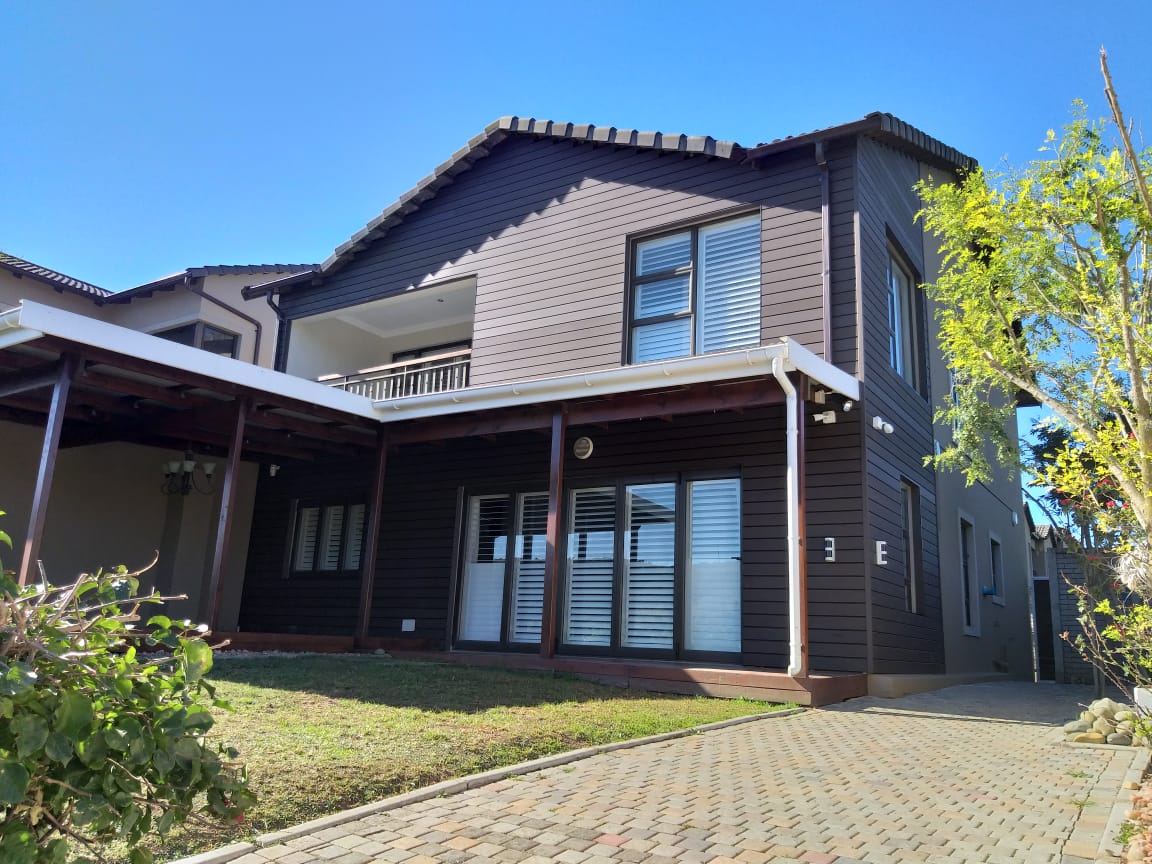
Composite cladding delivers that look honestly. Best Deck’s premium Diamond range carries a wood-grain surface that is moulded into the board itself rather than printed on top, so it will not peel, fade to silver or crack. You get the warmth and character of timber with none of its temperament. For a coastal home in Camps Bay or a modern estate in the KwaZulu-Natal Midlands, that is the best of both worlds. A natural look with zero natural drama.
The Diamond range is so at home by the sea that Best Deck specified it for the new tourism centre on North Beach in Durban, where salt spray and humidity defeat lesser finishes within a season. Cladding is supplied in three ranges, Gold, Silver and Diamond, so the finish can be matched to budget, building and exposure. The Gold range gives a tired structure a complete facelift in soft pastel tones with a neat ship-lap shadow line, while the Diamond range adds a 15-year guarantee and the salt resistance the coast demands. The same profiles coordinate with Best Deck decking and pergolas, so a property’s walls, floors and screens can read as one considered design.
So what is really trending for 2026?
The directions architects and designers keep pointing to for 2026 line up almost perfectly with what composite cladding does. The recurring themes in global design commentary are clear.
- Ventilated facades that manage heat passively
- Mixed materials, with timber-look elements alongside stone and steel
- Low-maintenance luxury, meaning quality materials that do not demand constant care
- Indoor-outdoor flow, including semi-permeable screens
- Adaptive reuse in place of demolition
Composite cladding ticks every one of those boxes. It is no longer a niche product. It has become a default choice for designers who want serious performance without serious complexity.
Where composite cladding works best in South Africa
Here is where it is being specified most often right now.
- Residential renovations: Replacing tired plaster or old timber on homes in Johannesburg, Pretoria and the suburbs.
- Estate boundary walls: Privacy and airflow in one, with no painting ever again.
- Apartment blocks: Covering dated brickwork without losing a centimetre of lettable space.
- Office and retail exteriors: Modernising a corporate facade for a fraction of the cost of a rebuild.
- Restaurant and hotel outdoor areas: Screening for shade and privacy while keeping the breeze, from Umhlanga to Stellenbosch.
- Garden studios and granny flats: Adding a warm, finished look with none of the heavy upkeep.
The bottom line for 2026
Composite wood cladding helps you waste less energy, spend less on maintenance and keep sound buildings out of landfill. It gives you privacy and airflow at the same time. And it brings the natural, warm character that makes a building feel like home, without the constant upkeep timber demands in our climate. That is not a passing trend. That is simply smart building. In 2026, smart building is the only kind that makes sense.
See what composite cladding could do for your project
Some building decisions you will be making all over again in five years. This is not one of them. Best Deck composite cladding is guaranteed for 10 or 15 years depending on the range and is built for the very conditions that shorten the life of lesser materials. The South African sun, coastal salt air and the temperature swings that test everything. A Best Deck specialist will assess your site, recommend the right range and profile and prepare a tailored quote in rands. Visit bestdeck.co.za, request samples or get in touch with the team to see what the right cladding does for your walls.
Explore further
- Best Deck composite wood cladding and fluted panelling
- Stunning uses for cladding and fluted panelling
- Composite pergolas, screen walling and shade screens
- Composite wood decking range
- Composite wood balustrades
- Profile dimensions and technical information
- The benefits of composite wood decking
- Cleaning and care tips
- Best Deck guarantee
- Contact Best Deck