Published: August 13, 2026
Solid composite decking is measurably quieter underfoot than hollow composite boards, tile or stone because its dense wood-fibre core absorbs impact sound instead of echoing it. Best Deck’s solid-profile Gold Range and Diamond Range deck planks, backed by 15-year and 25-year guarantees respectively, together with dimensionally stable composite cladding, give homes across the country outdoor spaces that look beautiful and sound calm.
There’s a sensory dimension to outdoor living that we seldom consider when building or renovating a space. When choosing the material for outdoor decks and pergolas, we’re very aware of grain patterns, colour and slip resistance, but we rarely stop to listen. Walking across a tiled patio, the sound is sharp and percussive. Click-clack-click-clack. But step onto a Best Deck composite wood deck and that changes. The difference lies in the acoustics as much as the aesthetics. And, with South African suburbs noisier than ever, from rush-hour traffic on the M1 to the drone of a neighbour’s generator during power outages, quietness may be the most overlooked feature of a great outdoor space.
Hollow vs solid decking: What’s underneath matters
A composite decking board’s internal structure tells you what you’re really investing in. Hollow composite boards, built around a ribbed core, are lighter and cheaper to produce. They may sometimes be easier to install. But that empty internal structure creates voids around which sound can bounce and resonate. This produces the thin, echoing clatter familiar to anyone who’s walked across cheaper composite decking. Impact noise from footsteps on hollow boards typically registers in the 65 to 70 decibel range. On Purdue University’s noise comparisons chart, that’s vacuum-cleaner territory. Safe for your hearing, yet disruptive and irritating.
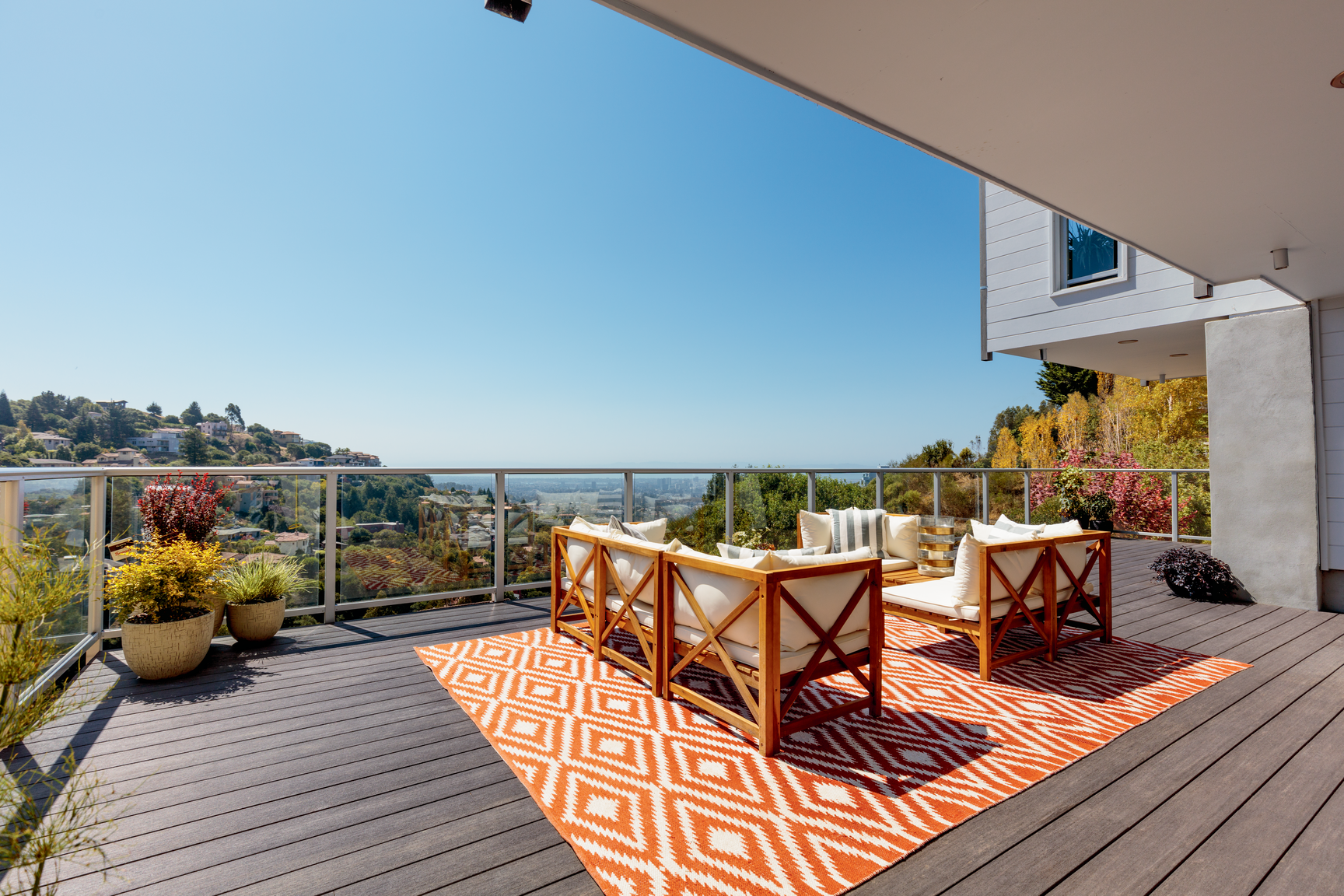
Solid composite boards behave very differently. Because there’s no cavity for sound to travel through, the polymer and wood-fibre matrix absorbs impact energy instead of reflecting it. Solid decking offers far better noise absorption, bringing impact noise down to around 55 to 60 decibels, closer to the level of background conversation. The result is a quieter, more settled sound underfoot, nearer to what you’d expect from a well-built interior floor than an outdoor deck.
This is why Best Deck sells only solid-profile deck planks and has phased out hollow cavity boards altogether. Both the Gold Range and the Diamond Range are solid-profile planks. The Gold Range carries a 15-year guarantee, while the Diamond Range offers a 25-year guarantee. Planks are supplied in 5.8 metre lengths too, which means fewer joins across a typical deck and fewer places for movement noise to begin. On second-storey balconies, decks built over enclosed patios or anywhere sound carries to a neighbour or your guests, the acoustic gap between hollow and solid boards becomes a genuine quality-of-life issue.
Cladding as a sound barrier
Noise doesn’t stop at the boundary wall. The hum of rush-hour traffic, the groan of a neighbour’s pool pump, roadworkers hammering away at the potholes, music pumping from two properties over… these sounds move easily through timber or mesh fencing. And, because natural wood shrinks and swells over time, gaps open and make ideal channels for sound to travel through.
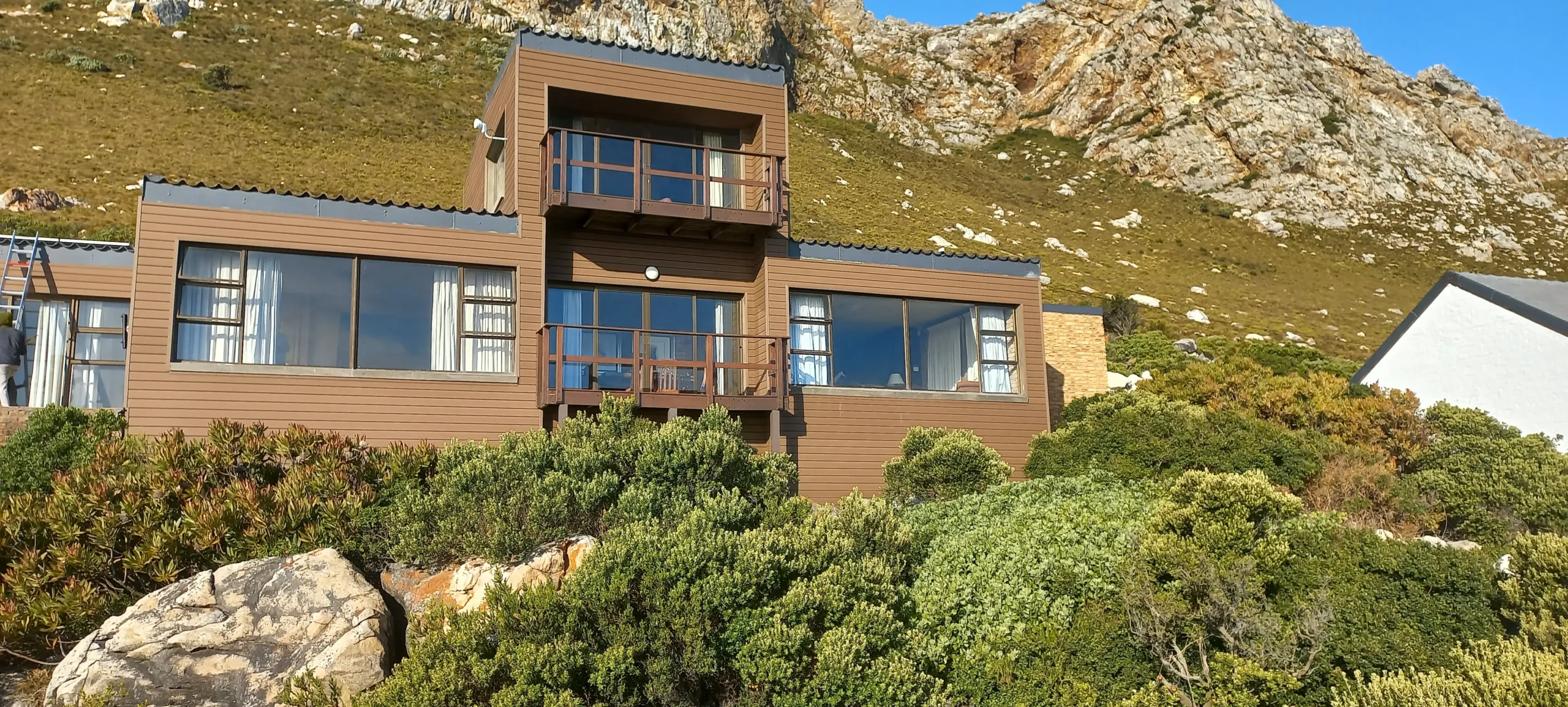
A well-fitted composite cladding panel, by contrast, stays dimensionally stable through the seasons. It doesn’t develop the gaps and warps that let sound slip through. Composite screen walling can act as a rigid sound barrier, limiting noise substantially before it reaches you. Best Deck’s cladding range offers maintenance-free, durable panelling that holds its form year after year, from Johannesburg’s bone-dry winters to the humid summers of the KwaZulu-Natal coast. That consistency is where composite wood earns its keep as a genuine noise buffer rather than merely a visual screen.

The cavity beneath your feet
This is something most deck designers overlook. The gap between your decking boards and the ground is an acoustic chamber that can amplify or absorb sound depending on what’s underneath. A bare concrete slab reflects sound straight back up, creating a hollow, reverberant quality. Bare earth absorbs a little more but shifts and settles unevenly.
Composite decking holds a consistent shape and density regardless of humidity. So, if you treat that cavity with a mineral wool (like glasswool) or fibreglass fill, the results stay consistent year to year. Mineral wool is excellent for soundproofing, with an open, fibrous structure that absorbs airborne sound and reduces reverberation. Natural wood decking, which expands and contracts with moisture, constantly changes the size and shape of the cavity beneath it, undermining any acoustic treatment you’ve installed. What’s more, when glasswool stays wet for long periods, it can eventually cause natural wood to warp, swell and crack. A solid composite deck from Best Deck simply holds its acoustic properties over time in a way timber can’t.
Water features and soundscaping
Sometimes the best way to manage unwanted noise isn’t to block it, but to replace it with something worth hearing. This is the idea behind soundscaping and a well-placed water feature is its simplest expression. The steady sound of moving water masks intermittent, jarring noise like traffic or construction without becoming a distraction itself.
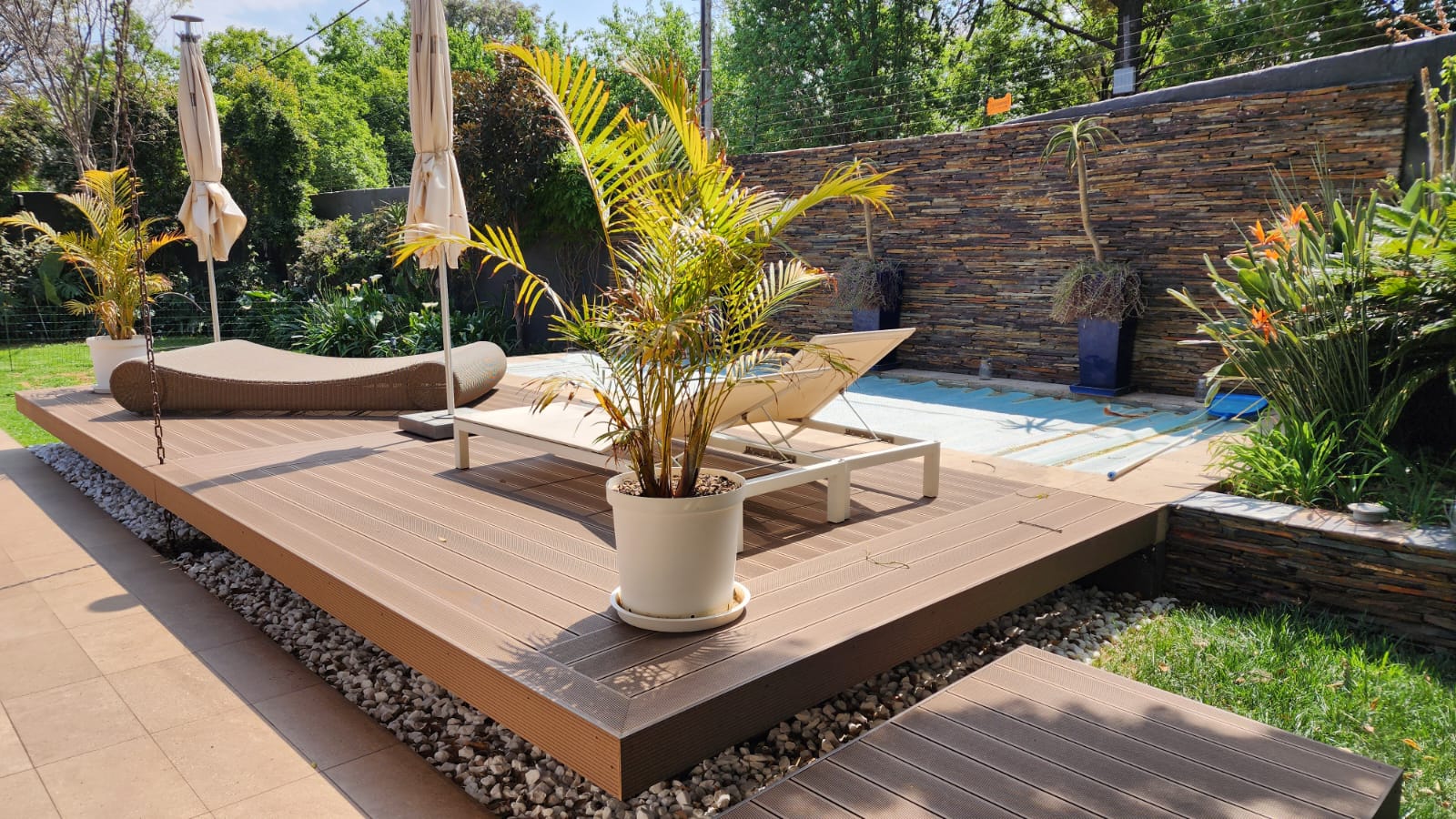
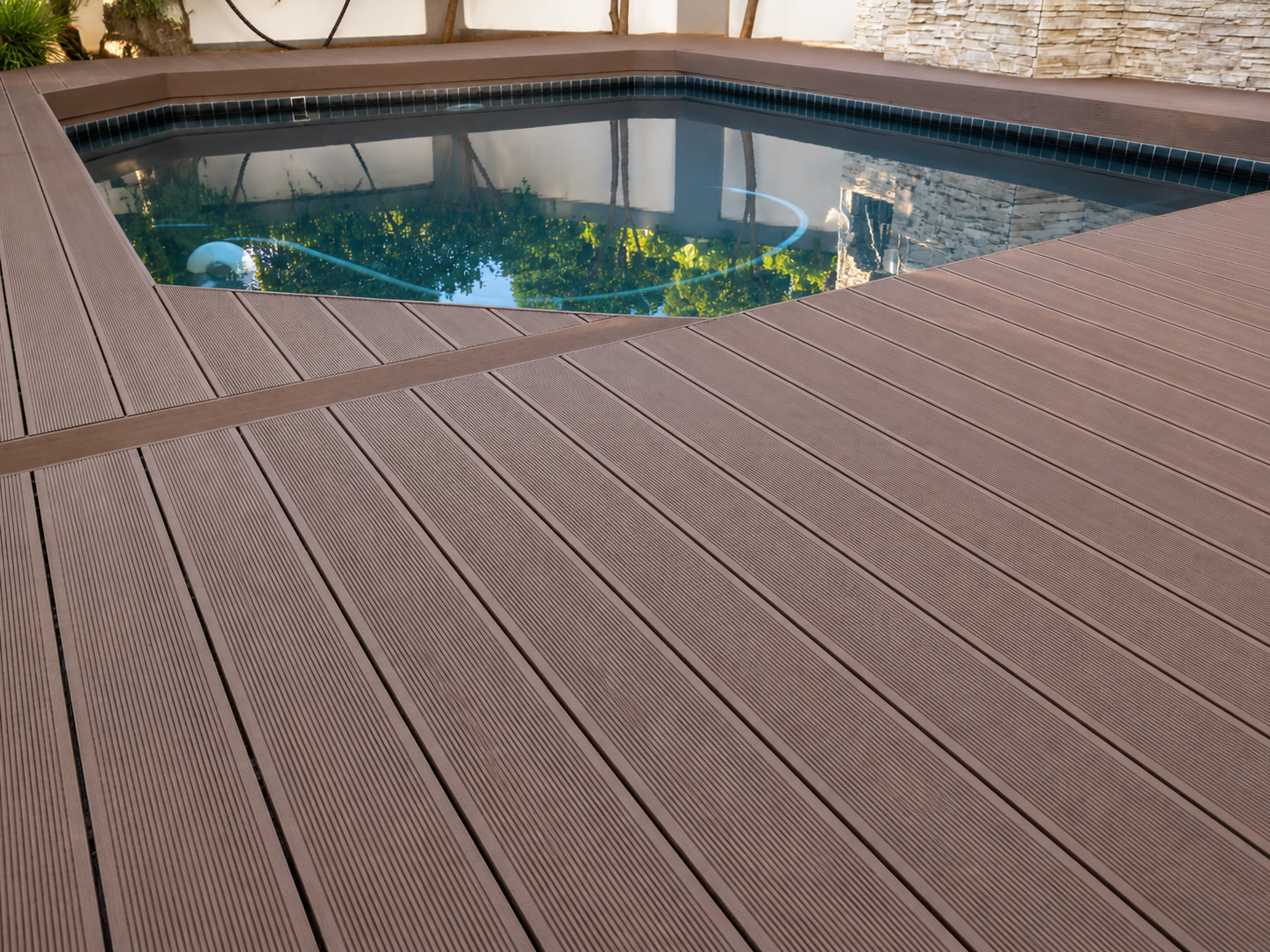
The surface surrounding that water feature matters. Denser materials like stone and tile reflect sound more sharply and can become slippery, while composite decking, with its wood-fibre composition, absorbs more of the splash and ripple. It’s a small detail, but it’s the kind of thing that separates a deck that just looks finished from one that feels finished. On a still Highveld evening, the murmur of water over a quiet composite deck is a properly lekker sound to live with.
Why Best Deck’s composite wood win the acoustic argument
Natural wood has always had a reputation for absorbing sound better than tile, stone or concrete. That’s true. But wood’s acoustic advantage comes bundled with everything that makes it high-maintenance. It warps, splits and needs regular sealing to keep its appearance and its sound-dampening properties intact. Tile and stone, meanwhile, are acoustically unforgiving. Hard, non-porous surfaces reflect almost all the sound that hits them, which is why a stone patio or tiled terrace tends to amplify footsteps and conversation rather than soften them.
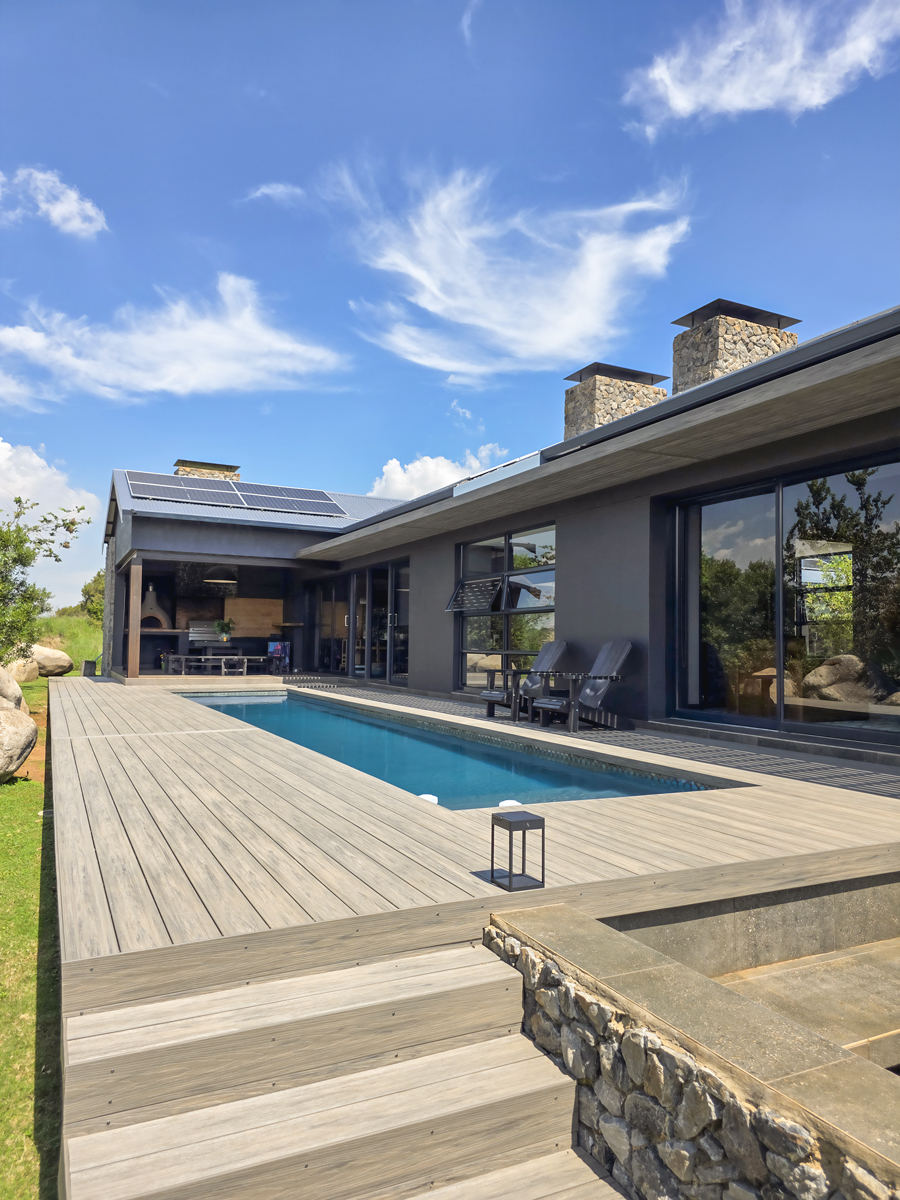
Composite wood offers the acoustic advantages of natural wood without the drawbacks. It has superior sound absorption, while holding its shape and density through South Africa’s harsh UV, Highveld summer storms and coastal humidity in a way solid wood doesn’t. Best Deck’s composite boards, made from a blend of bamboo, recycled timber and recycled high-density polyethylene (HDPE), are engineered for that stability first. It’s why the Diamond Range is specified for demanding public spaces like the tourism centre on Durban’s North Beach. The quieter, more settled sound underfoot isn’t an accident of the material; it’s a direct result of how well the product is built.
The sound of quality
Step onto a solid Best Deck composite deck and what stands out is what’s missing:.No hollow echo, no sharp clatter, just a quiet, muted sound that testifies to a product that is solid and well made. The World Health Organization describes noise as an underestimated threat, linking it to disturbed sleep, poorer concentration and long-term cardiovascular strain. The acoustic behaviour of outdoor materials deserves the same attention people already give to durability and appearance.
It’s also one more reason to trust Best Deck with your composite wood installation. Solid-profile boards and tightly fitted cladding outperform both cheaper hollow-core composites and traditional timber. The best decks don’t only look fantastic; they sound like what they are. Built properly and for the long haul. Ready to hear the difference for yourself? Get in touch with the Best Deck team for a no-obligation consultation.