
Published: July 22, 2025
South Africa is renowned for its breathtaking landscapes, warm climate, and vibrant outdoor culture. From weekend braais to sundowner gatherings, outdoor living is a way of life here. Naturally, homeowners want durable, stylish decking that enhances their outdoor space without demanding constant upkeep.
Traditional timber decking, while beautiful, struggles under South Africa’s harsh sun, heavy rains, and humidity. Over time, wood warps, fades, splinters, and becomes vulnerable to termites, leading to costly repairs and endless maintenance.
So, what’s the best low-maintenance decking option for South African homes?
This guide compares popular decking materials – natural timber, tiles, concrete, and composite decking – and explains why composite decking stands out as the ultimate solution for durability, aesthetics, and hassle-free living.
Popular Decking Options for South African Homes
Before choosing a decking material, it’s essential to weigh the pros and cons of each option.
1. Natural Timber Decking
Wooden decks (such as balau, pine, or meranti) offer a timeless, warm aesthetic that many homeowners love. However, they come with significant drawbacks in South Africa’s climate.
For homeowners who don’t want to spend weekends sanding and resealing, timber may not be the best choice.
2. Tiled Outdoor Areas
Tiles are a common option for both indoor and outdoor spaces, especially for patios and around swimming pools.
While tiles work for some spaces, they don’t offer a cosy, natural feel. For architects and property developers, this may seem like a practical blanket approach, but the long-term appeal and practicality just don’t hold up when compared to composites.
3. Concrete or Stone Patios
Concrete and stone are sturdy, long-lasting options with a unique look. But they don’t have an inviting appeal, like composite wood decking does.
Concrete is practical, but it isn’t as warm, comfortable, or inviting as many other flooring options.
4. Composite Decking: The Modern Solution
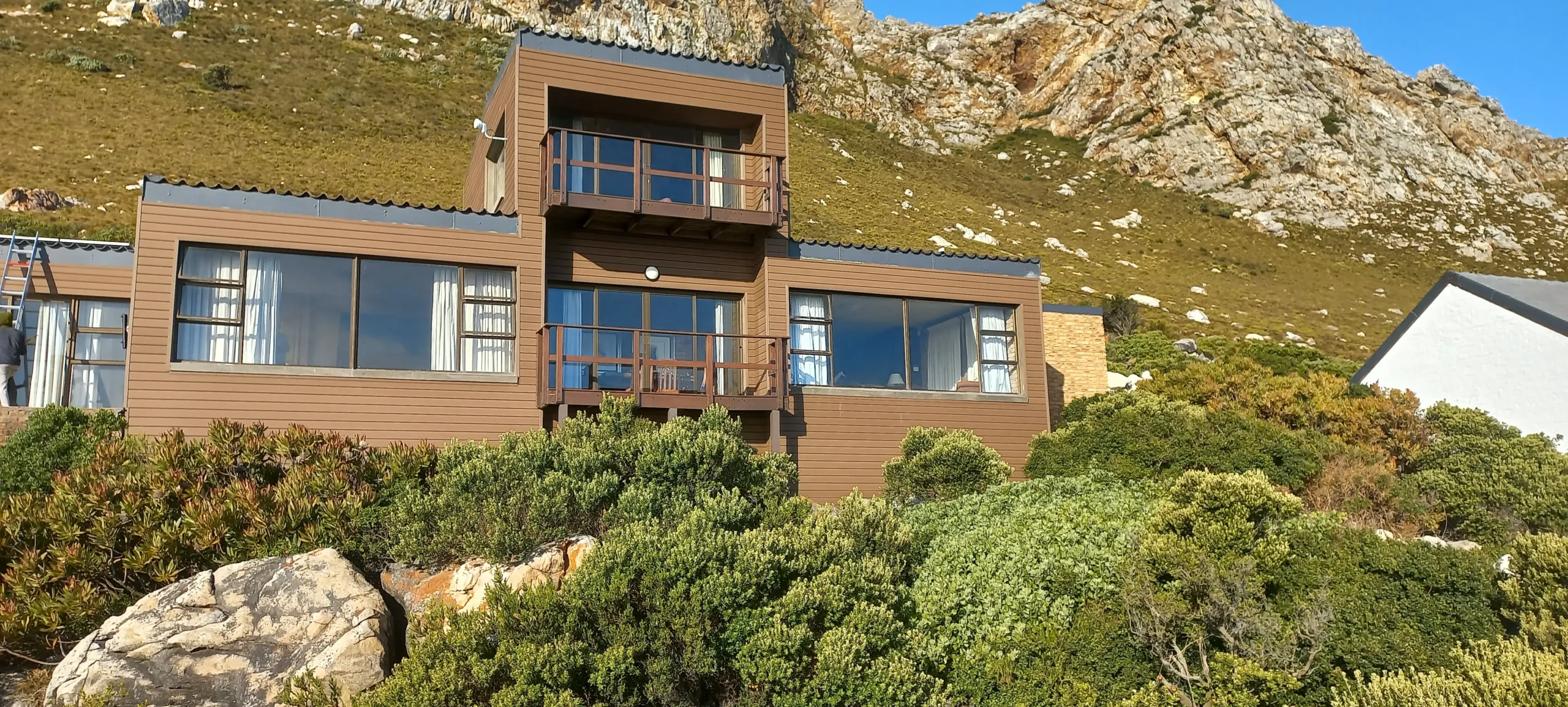
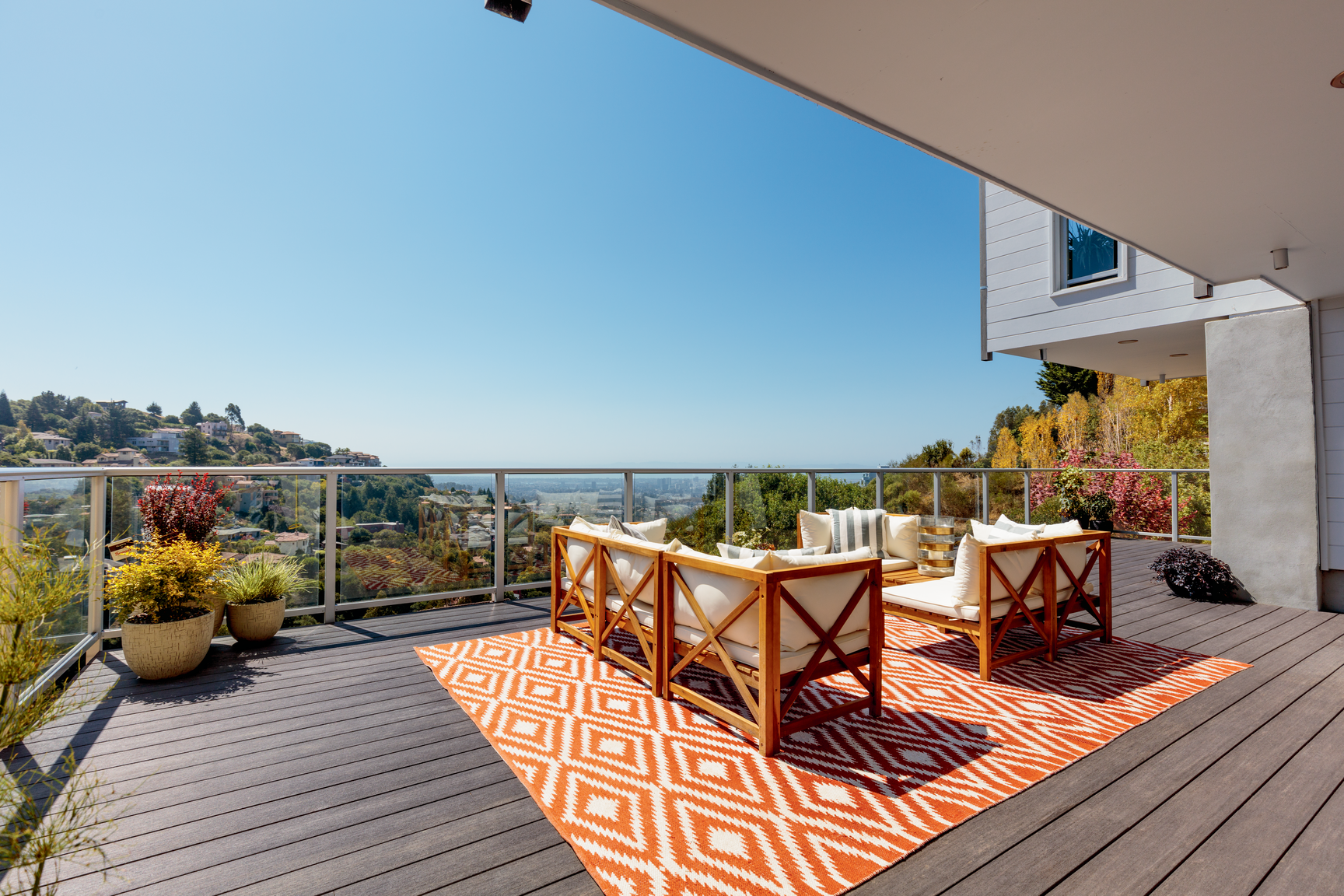
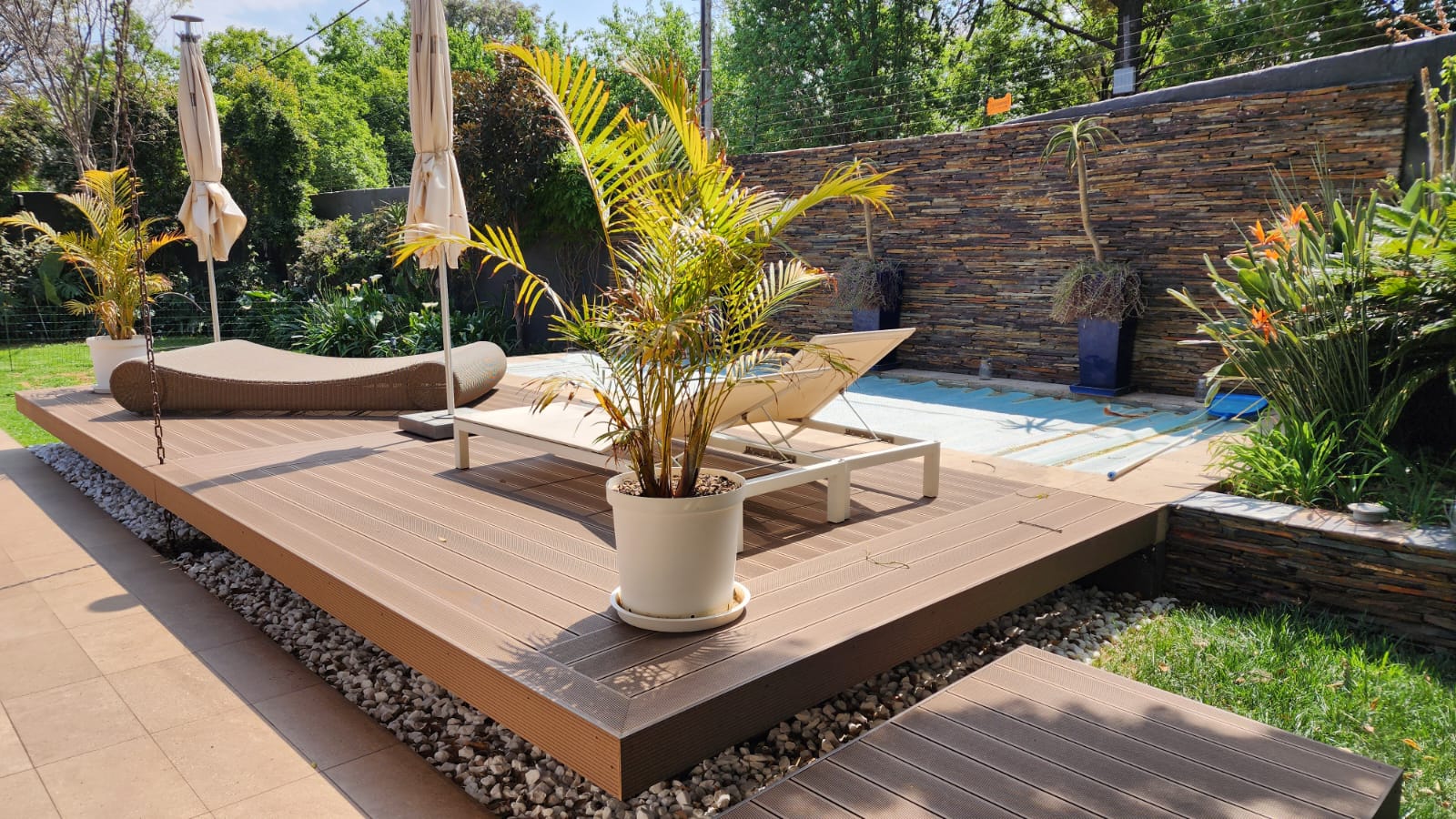
Composite decking is a game-changer for homeowners in South Africa. Made from a blend of recycled wood fibres, bamboo, and plastic, it offers the gorgeous look of real wood without any of the maintenance headaches.
For those who want beauty without the backbreaking maintenance, composite decking is the clear winner.

Why Composite Decking is the Best Choice for South Africa
Composite wood decking is ideal for South African homeowners because it:
- Lasts the Longest in South African Weather
South Africa’s climate can be tough on outdoor materials. The intense UV rays, summer rains, and coastal humidity can ruin traditional decking. Composite decking is engineered to withstand these challenges. It is:
- UV-stabilised(resists fading, even in direct sunlight).
- Moisture-proof(won’t rot or swell, or attract mould).
- Temperature-resistant(expands and contracts less than wood, preventing cracks).
Whether you’re on Cape Town’s windy, salty coast or in the dry heat of Johannesburg, composite decking holds up beautifully for decades.
- Maintenance Free
It’s a deck that never needs sanding, staining, or sealing. Composite decking only requires a clean with water and Cleen Green®. What’s more, it doesn’t splinter or crack, so it never needs maintenance and is safe for bare feet and pets.
Spend less time caring for your deck and more time enjoying it. This is the premium low-maintenance decking option for South African homes.
- Aesthetically Versatile
Many of the early versions of composite decking looked artificial, but modern options are nearly indistinguishable from real wood. Best Deck offers a range of finishes and colours that celebrate the natural nuances and texture of real wood.
You get the beauty of wood without the upkeep.
- Eco-Friendly and Sustainable
With growing environmental concerns, composite decking is a responsible choice. It is made from recycled materials, which reduces plastic waste and deforestation, and has a long lifespan, which means fewer replacements and less material waste over time.
It’s a win for your home and the planet.
Why Choose Best Deck for Your Composite Decking?
Not all composite decking is created equal. For the best results, you need:
- High-quality materials. Inferior composites fade or stain. Best Deck uses premium, top quality, UV-stabilised boards.
- Correct installation. Proper fitting prevents warping and ensures longevity. We have experts around the country who install our decking, as well as thorough instructions to enable you to install it yourself.
- Local expertise.As a proudly South African company, we understand local weather challenges.
- Proven track record. Homeowners and architects consistently recommend our products.
Final Verdict: What’s the Best Low-Maintenance Decking for South Africa?
For a durable, stylish, and hassle-free deck, composite wood decking is the best choice. It resists sun, rain, and mould; requires no maintenance; and lasts decades without losing its practical and aesthetic appeal.
Best Deck’s premium composite wood solutions offer the perfect balance of beauty, strength, and sustainability, making outdoor living easier and more enjoyable.
Ready to Upgrade Your Outdoor Space?
Browse Best Deck’s composite decking range or contact our team for expert advice on the best solution for your home.
By choosing the right decking material, you will spend less time on maintenance and more time relaxing in your outdoor oasis.
Frequently Asked Questions (FAQ)
Low-maintenance outdoor decking for South African homes.
1. What is the best low-maintenance decking option for South African homes?
Composite wood decking is the top choice. It offers the natural look of timber without the high upkeep and is engineered to withstand South Africa’s harsh sun, heavy rains, and temperature swings.
2. How does composite decking compare to traditional timber?
While timber decking is beautiful, it requires constant maintenance and is vulnerable to warping, splintering, and termites. Composite decking, on the other hand, is durable, UV-resistant, and requires no sanding, staining or sealing.
3. Does composite decking really need no maintenance?
Yes. Best Deck’s composite products are truly low-maintenance. You only need to sweep or wash them occasionally to remove dust and debris. No sealing, sanding or painting is ever required.
4. Is composite decking safe for pets and children?
Absolutely. Best Deck’s boards don’t splinter or crack, and they remain smooth and barefoot-friendly. This makes them ideal for families with young children, elderly residents and pets.
5. How long does composite decking last?
Best Deck products carry warranties ranging from 10 to 25 years depending on the range. However, with basic cleaning, they often last much longer while maintaining their structural integrity and appearance.
6. What makes composite decking suitable for South Africa’s climate?
Best Deck’s composite decking is:
- UV-stabilised to resist fading
- Moisture-proof to prevent rot and mould
- Dimensionally stable, resisting swelling and cracking
It performs exceptionally well in coastal, humid or dry inland environments.
7. Is composite decking slippery when wet?
No. Our decking boards are designed with textured surfaces to provide better grip, even in wet conditions. This makes them safer than tiles or polished stone, especially near pools or outdoor showers.
8. Is composite decking more expensive than timber?
Upfront, some composite options may cost more than timber. However, over time composite decking is more cost-effective because it avoids ongoing maintenance and replacement costs.
9. What colours and finishes are available?
Best Deck offers a wide variety of natural-looking colours and woodgrain finishes. Our modern composite boards are designed to mimic the warmth and texture of real wood, with options to suit any architectural style.
10. Is composite decking eco-friendly?
Yes. Best Deck’s boards are made from recycled wood fibres, plastics and bamboo. This reduces deforestation and diverts waste from landfills, making it a sustainable and responsible choice.
11. Can I install Best Deck composite decking myself?
Yes. We offer detailed installation guides for DIY projects. For optimal results, however, we recommend using our network of approved installers across South Africa.
12. Why should I choose Best Deck?
Best Deck is a proudly South African company with a proven track record, premium materials, local expertise and a national footprint of trusted installers. Our composite decking is made to last, look great and reduce your maintenance burden.