Published: July 14, 2026
A well-designed outdoor deck is one of the most effective wellbeing investments a South African homeowner can make, because it uses biophilic design, natural texture and easy access to the garden to lower stress, improve sleep and bring people together. Best Deck composite wood decking is engineered to deliver that restorative outdoor room without the splintering, staining and endless maintenance of natural timber, turning a neglected patch of paving into the room your nervous system has been asking for all along.
There is something almost endearing about the way we South Africans treat our outdoor spaces. We pour our energy into the inside of our homes, agonising over paint colours and couch fabrics and then we place a few chairs on the patio and hope for the best. We often treat the outdoors as a bit of a forgotten zone, a space you pass through on your way to the car or the pool, rather than fully recognising it as a living space in its own right.
But our brains do not agree with this arrangement. They never have.
Your composite wood deck: The unpaid therapist in your backyard
The concept of biophilia, popularised by biologist E.O. Wilson, suggests that humans have a natural tendency to look for connections with nature and other forms of life. It is not a new-age fad or a trend you can buy in a bottle. It is innate hardwiring. For the vast majority of human history, we lived in direct contact with the natural world. Our stress responses were designed to deal with predators and famines, not with constant notifications and reminders.
Then we built cities, sealed ourselves inside boxes of concrete and glass and wondered why we all felt a bit frayed around the edges. More than half of the world’s population now lives in urban areas and this disconnection from nature has been linked to a higher prevalence of stress-related health problems and mental disorders. We have essentially removed ourselves from our natural habitat and are surprised that we are not thriving.
This is where your composite wood deck comes in. It acts as a deliberate, functional bridge back to the environment that your brain recognises as safe.
The grain that calms the mind
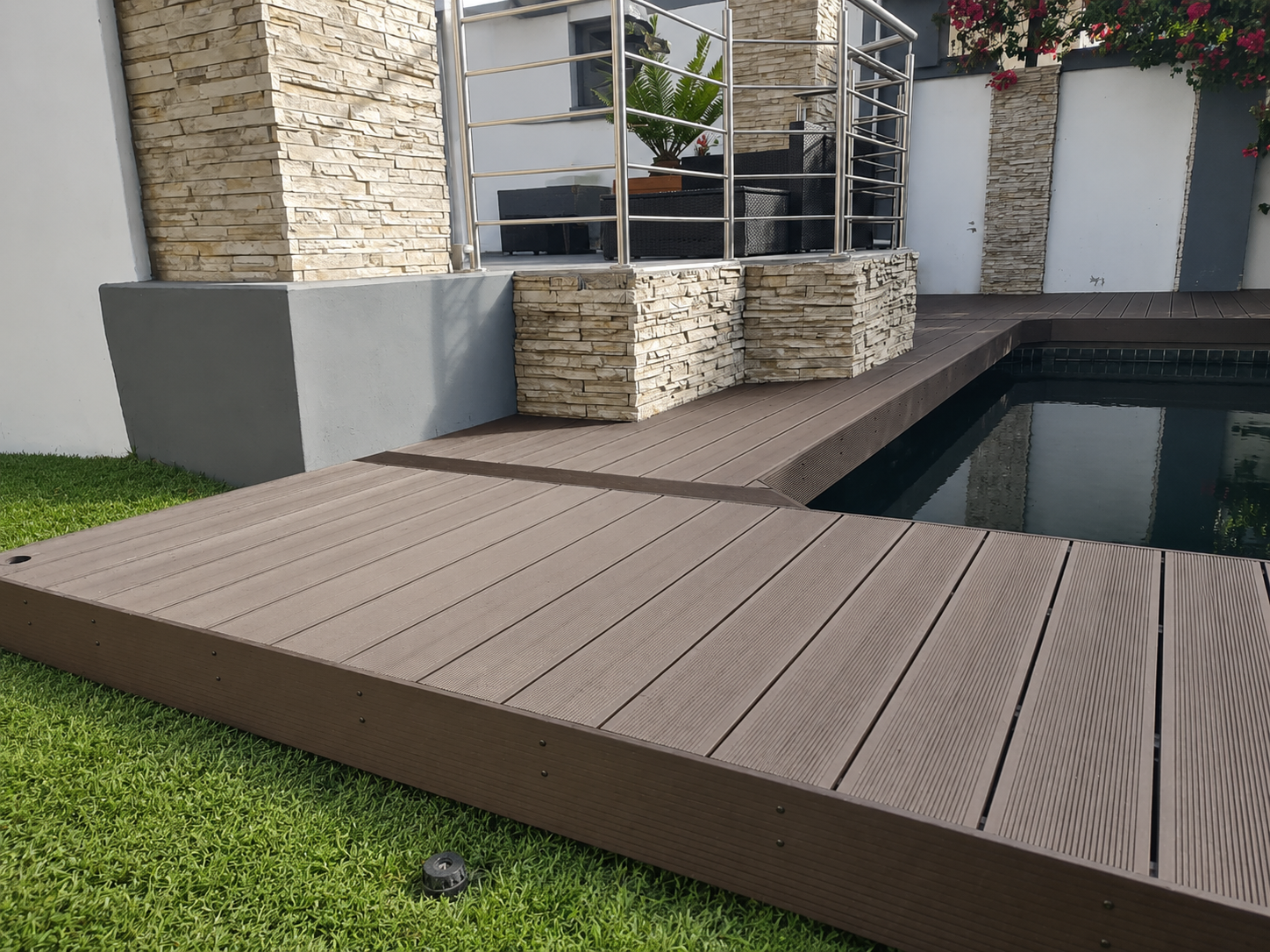
Let us talk about composite wood, not as a building material but as a sensory experience. Running your hand along a smooth wooden railing feels different from touching a steel or aluminium one and that is no coincidence. Our products have texture, warmth and an organic irregularity that our brains find deeply soothing.
Research from the University of British Columbia found measurable reductions in cortisol levels following exposure to spaces with natural wood finishes. Cortisol is your body’s primary stress hormone. And this drop is important. It is the difference between a frazzled evening and a properly restful one. The visual complexity of wood grain patterns reduces attentional fatigue, meaning your brain does not have to work as hard to process what it is seeing. It is a form of visual rest.
Think about that the next time you are standing on your composite deck. The material is not just durable and low-maintenance, it is actively participating in your nervous system’s downtime. The texture under your bare feet, the subtle variation in the grain, the warmth of the sun on the surface…these are not aesthetic bonuses. They are physiological inputs that tell your brain to lower its defences.
Earthing: The charge you didn’t know you needed
Earthing, or grounding, is the practice of reconnecting the human body to the Earth’s surface electrons. It sounds a bit airy-fairy but the science is surprisingly straightforward. The composite wood deck’s real contribution here is logistical rather than electrical: It gets you outside. From there, the grass in your garden a few steps away does the actual work. Walk barefoot from the boards onto the lawn and your body absorbs free electrons from the Earth, which act as natural antioxidants, neutralising the free radicals that contribute to chronic inflammation and stress.
A study found that grounding the human body during sleep reduced nighttime levels of cortisol and resynchronised cortisol secretion more in alignment with the natural 24-hour circadian rhythm. Another randomised controlled trial, published in 2025, showed that using earthing mats reduced stress, insomnia severity and daytime sleepiness.
Now, we are not suggesting that you need to sleep in your garden. But the principle applies. The simple act of stepping off the deck and onto the grass barefoot, feeling the ground beneath your soles, is a form of grounding. In fact so is standing on the real-feel wood grain of our decking. It is a tiny, almost subconscious recalibration. It is your body saying, “Oh, right, this is what real feels like.”

The deck as a social glue
One of the (sometimes overlooked) benefits of a well-designed outdoor space is the role it plays in social connection. Gorgeous outdoor spaces promote social interaction and can prevent feelings of loneliness and isolation. Think about your own life. Where do the best conversations happen? Where do family members sit down and talk to each other without a screen in between?
The answer is almost always outdoors, around a table, with good food and a bit of space.
An outdoor room creates a neutral, comfortable environment that lowers the social barriers that we often carry indoors. It is less formal than a dining room, less distracting than a lounge with a television and less isolating than a bedroom. It encourages a different kind of interaction, one that is more relaxed, present and conducive to genuine connection. In a world where we are increasingly isolated behind our devices, a deck is a physical invitation to be together.
A safe space for the overstimulated mind
We are bombarded with information, notifications, demands and the constant low-level hum of digital life. An outdoor area offers something increasingly rare: A space that asks nothing of you. It does not demand your attention and it does not ping or buzz. It just exists, with the sounds of birds, the kiss of the breeze and the blue of the sky.
Outdoor places have consistently been scoring higher than indoor places in self-reported psychological experiences in various studies. People instinctively seek out these spaces because they know, on a conscious or subconscious level, that they make them feel better.
How to build a deck that works for your brain
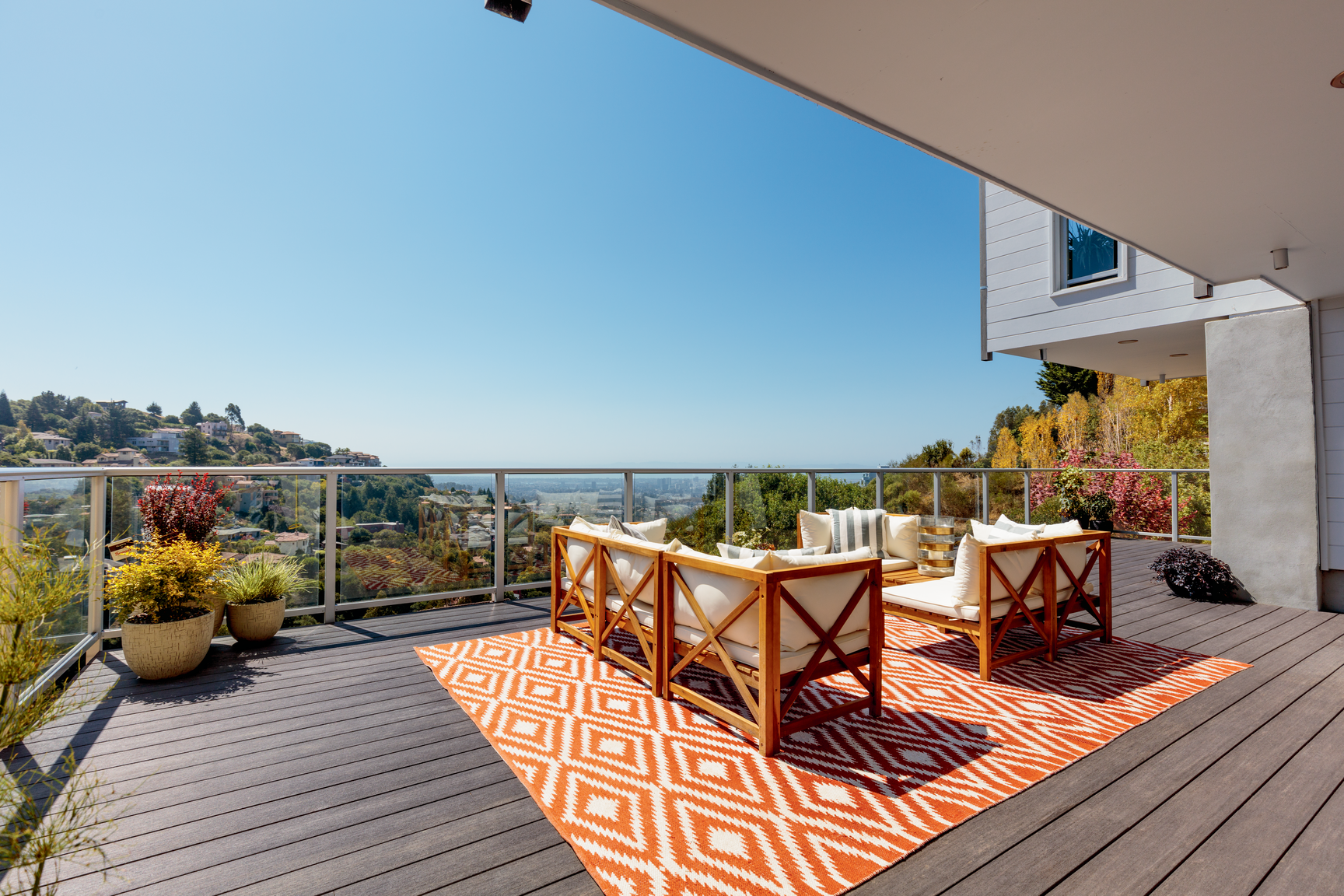
If you are going to invest in an outdoor space, do it properly. Here is a quick checklist for creating a biophilic deck that serves your mental health, not just your Instagram feed:
Prioritise natural texture
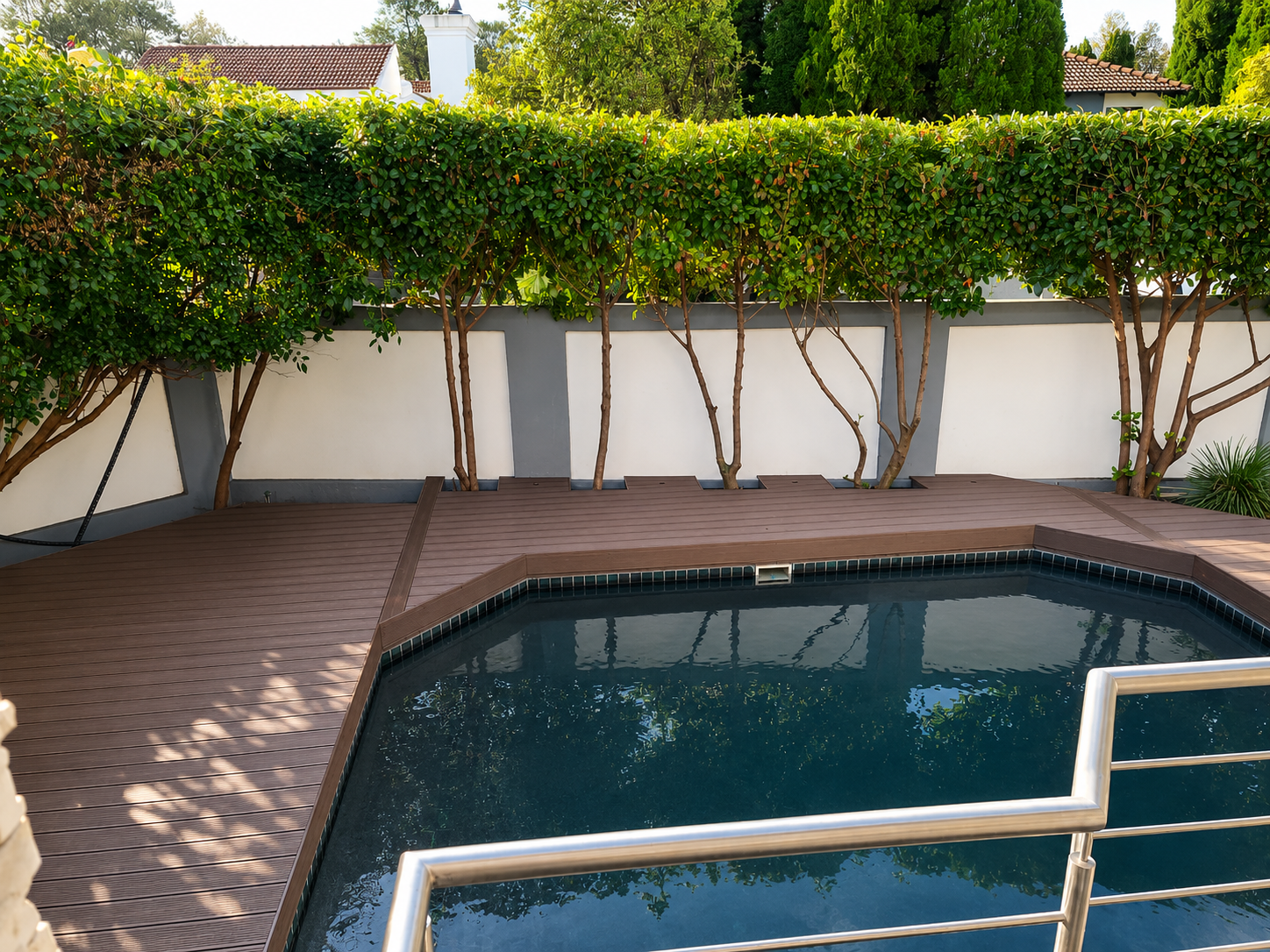
Choose decking materials that feel good underfoot. Best Deck’s high-quality composite mimics wood to provide the sensory feedback your brain craves without the stress of maintaining natural timber.
Incorporate greenery
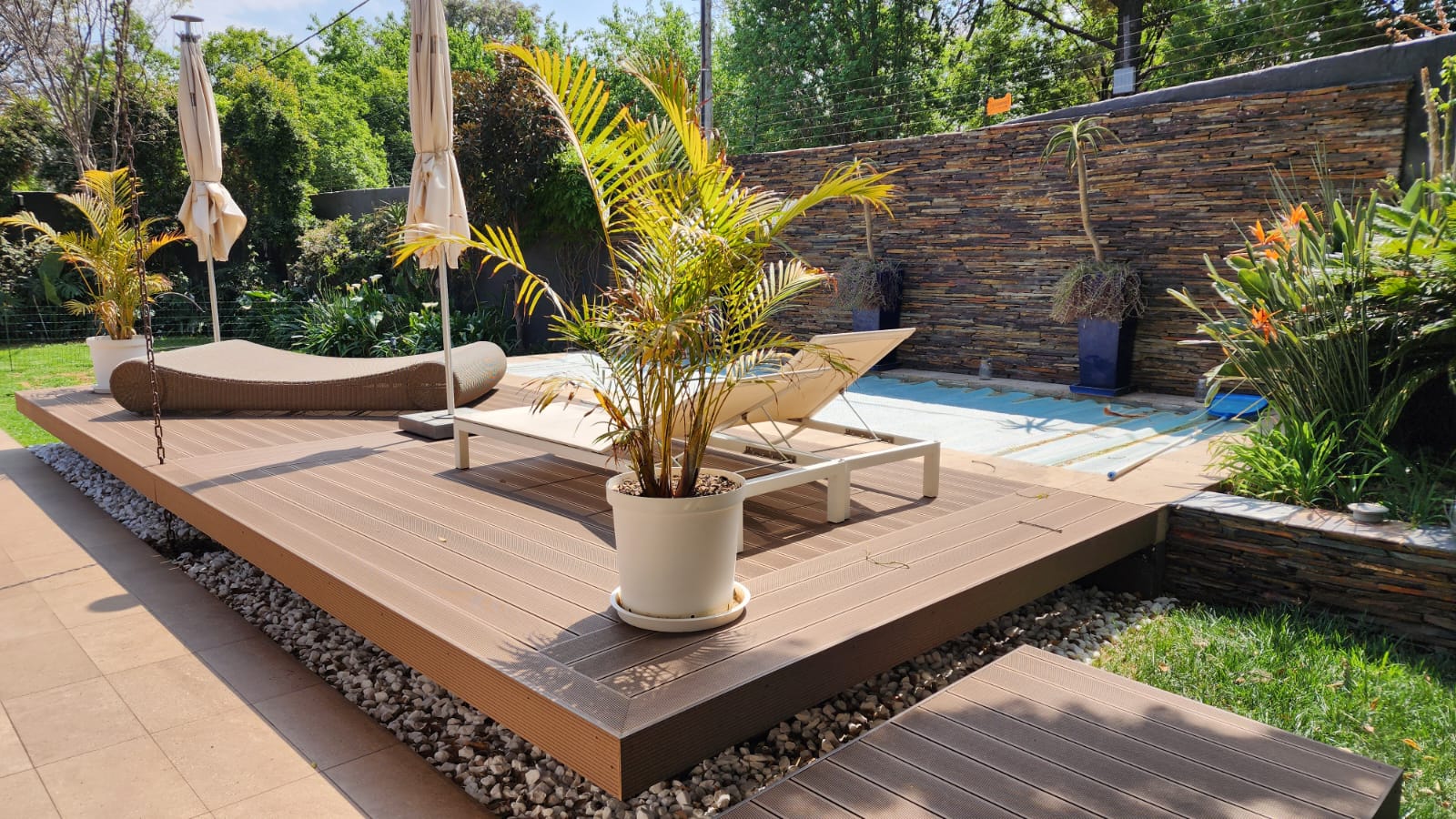
Use planters, vertical gardens or flowerbeds to blur the line between your deck and the garden. Even small-scale biophilic interventions, like a living wall, produce higher relaxation on a physiological level during demanding tasks.
Create distinct zones
Have distinct spaces for dining, lounging and quiet reflection. This gives the deck multiple functions and encourages different types of use.
Ensure comfort
Insist on really comfy seating that you want to sit in. Add shade (whether from a pergola, an umbrella or a tree), scatter cushions and blankets for chilly mornings. If you are not comfortable, you will not stay.
Add other natural elements
Water features, stones or even just a bowl of pretty pebbles can enhance the biophilic effect.
The bottom line
Your deck is part of your home, not an afterthought. In fact it is arguably one of the most important parts for your mental and emotional wellbeing. It is where you reduce stress, reconnect with your family and remind your nervous system that the world is not, in fact, a concrete cage. It is sunshiny, fresh and vibrant, if you just make the time to see it.
So step outside. Take off your shoes. Feel the grain of the wood under your feet. You will be so grateful you did. If you are ready to build the restorative outdoor room your family deserves, get in touch with the Best Deck team for a no-obligation consultation.